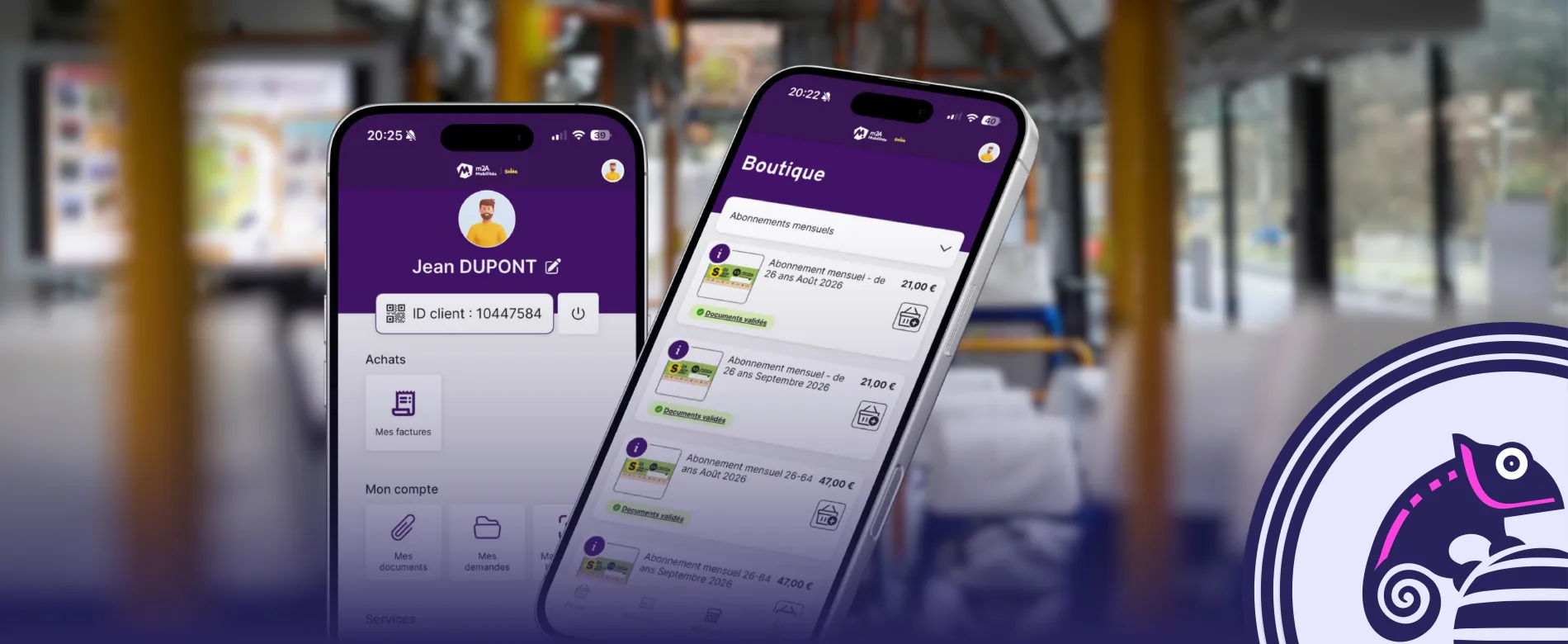
Mobile ticketing: OMEA ID deploys the new m2A Mobilités app in four weeks
Completed in four weeks, the project combines digital ticket distribution with regional interoperability through CB2D.
17 August 2026 marks a new milestone in the digitalisation of mobility within Mulhouse Alsace Agglomération (m2A). The new m2A Mobilités app now gives passengers wider access to Soléa’s ticketing services directly from their smartphones.
Behind this launch was a particular challenge. Following the discontinuation of the previous app, the m2A, Soléa and OMEA ID teams had a very short timeframe to take over the project and ensure continuity of the digital services available to passengers.
Four weeks to ensure continuity of digital ticketing
In an environment where passengers increasingly use their smartphones to access public transport, any interruption to digital ticket distribution can have a direct impact on their experience.
The three partners therefore worked together to take over the full scope required to launch the new app.
In four weeks, OMEA ID supported m2A and Soléa with the takeover and deployment of the solution, while retaining existing customer wallets. This helped simplify the passenger experience, an important priority for m2A.
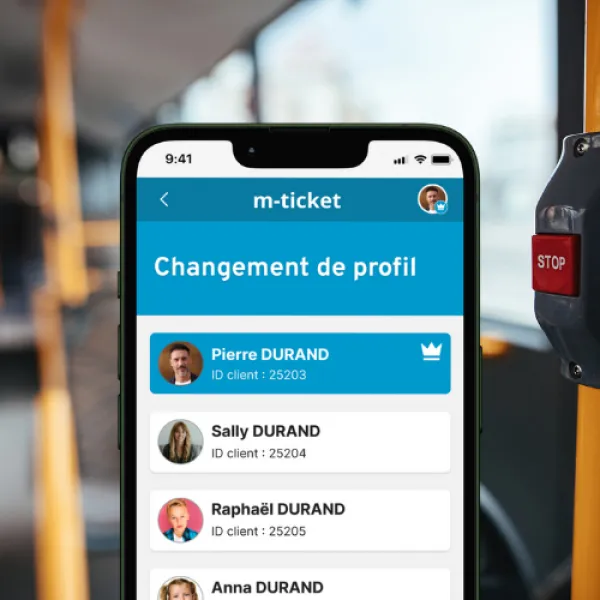
The project also covers an extensive range of features. These include family account management and regional interoperability.
In less than a month, OMEA ID, Soléa and m2A fully mobilised to meet an unusual challenge: taking over the network’s entire digital ticket distribution system, with a comprehensive and particularly extensive functional scope including, among other features, regional interoperability and family account management, while also migrating the complete status of existing customer wallets. A great demonstration of what agility and collaboration can achieve.
An app that digitalises the ticketing journey
With m2A Mobilités, the smartphone becomes an access point for Soléa’s ticketing services.
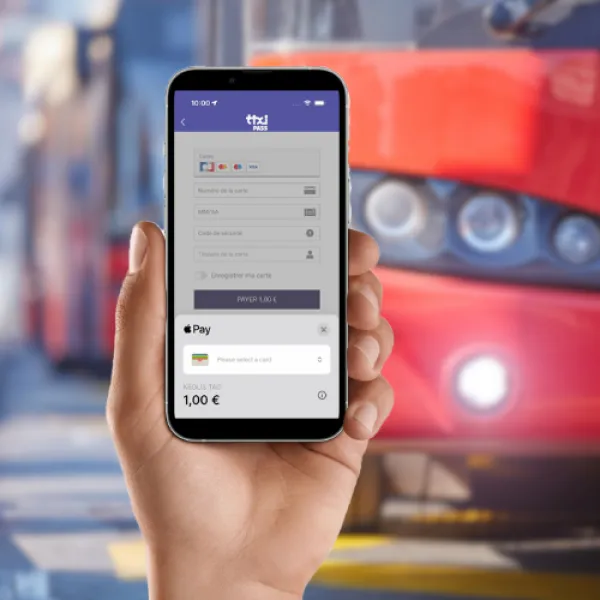
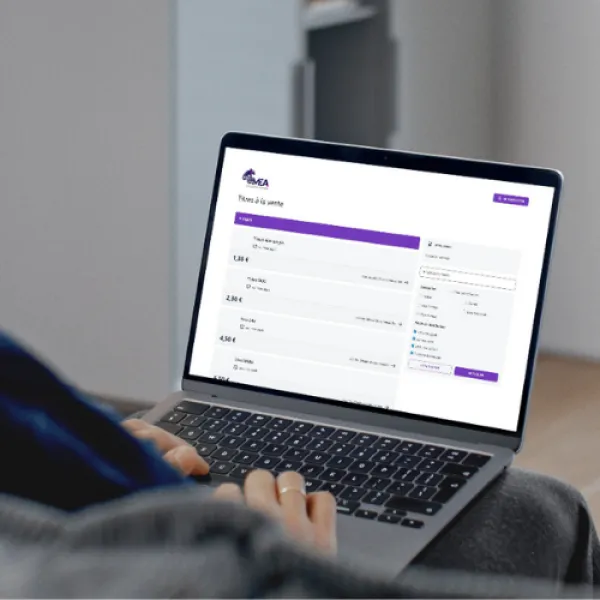
The app allows passengers to purchase tickets, take out a subscription and manage their customer account. They can also submit supporting documents and make payments by bank card or Apple Pay.
Tickets are fully digital. They remain available on the smartphone even without an internet connection.
This approach simplifies the journey from purchasing a ticket to using it. It also responds to the growing adoption of digital services in public transport.
CB2D: a key component for transport interoperability
However, digitalising ticketing involves more than simply replacing a physical ticket with a digital one.
To make travel across multiple networks easier, solutions must also be able to operate beyond their original environment. This is one of the challenges addressed by the m2A Mobilités project.
The app uses CB2D, a standardised and interoperable 2D barcode managed at regional level. Passengers therefore have a digital ticket designed to operate within a mobility environment that extends beyond the boundaries of a single network.
This interoperability is an important component of the transformation of public transport. It supports the development of simpler journeys across different services and territories.
Expertise supporting public transport networks
The launch of m2A Mobilités also demonstrates the importance of being able to quickly adapt a ticketing solution to the operational constraints of a transport network.
OMEA ID drew on its digital mobility expertise to support m2A and Soléa with a project combining service continuity, digital ticket distribution and interoperability.
The new app now lays the foundations for the next developments of the m2A Mobilités portal and the gradual integration, as envisaged by m2A, of the region’s various mobility services.