Electronic invoicing reform: what impact will it have on public transport networks?
For public transport networks, this development does not only concern invoicing itself. It also raises issues around the collection, consolidation and transmission of sales data.
E-reporting and e-invoicing: two distinct components
The reform is based on two mechanisms: e-reporting and e-invoicing.
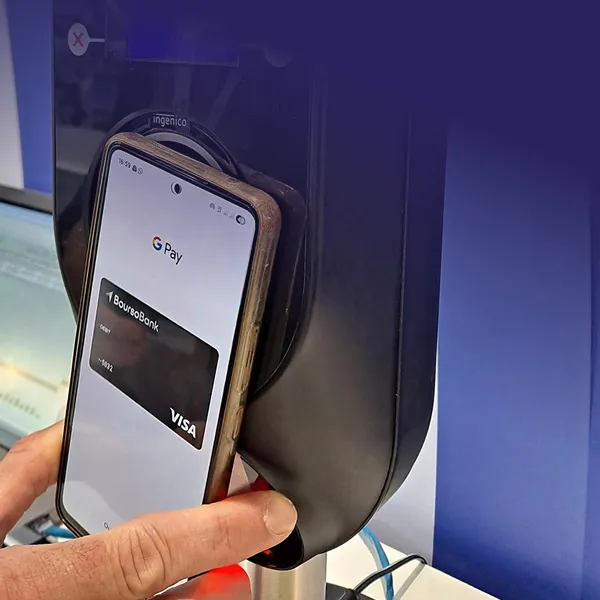
E-reporting concerns transactions carried out with individuals, including B2C sales. For a public transport network, this may include tickets purchased by passengers.
Data relating to these transactions will need to be submitted to the tax authorities in consolidated form, in accordance with the procedures set out in the reform.
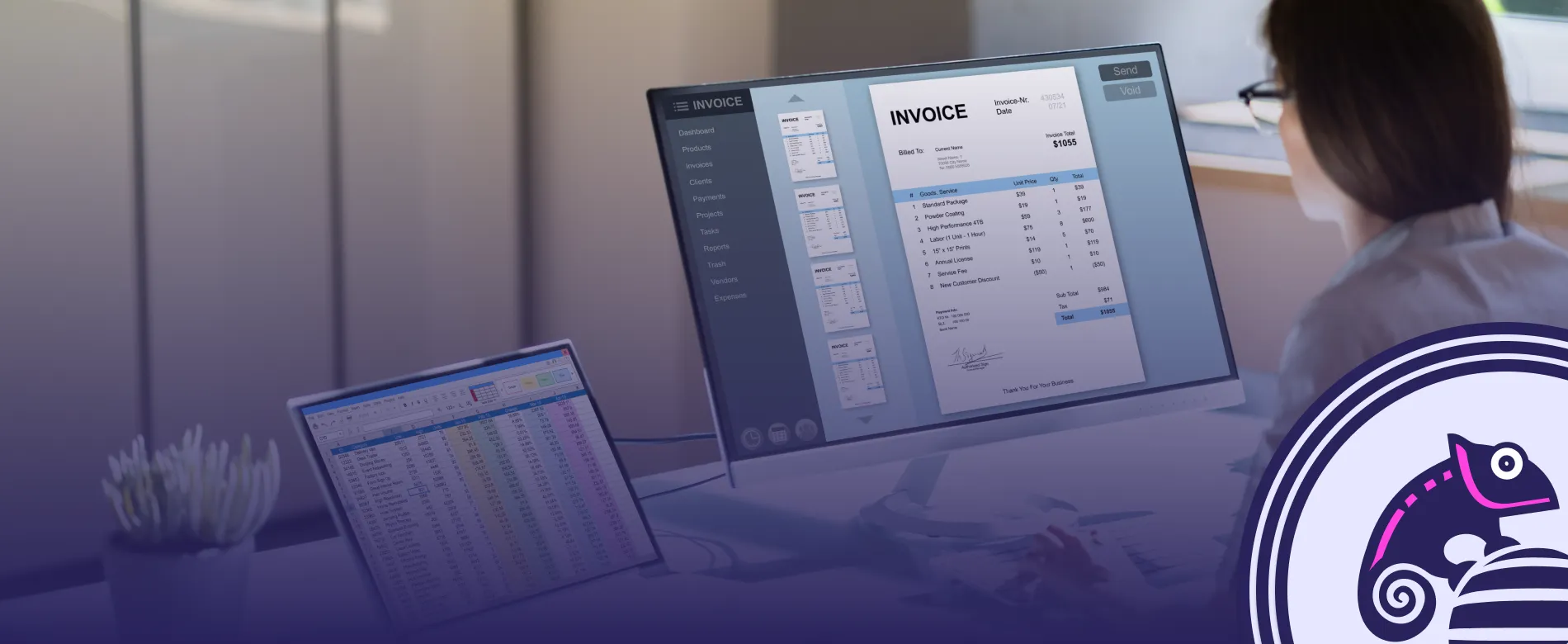
E-invoicing, on the other hand, concerns transactions between businesses, or B2B transactions. Invoices will need to be issued and transmitted electronically, in compliance with the formats and processes defined by the regulations.
These two mechanisms therefore address different requirements but share the same challenge: ensuring access to reliable, properly structured data.
A new challenge around sales data
Public transport networks now manage sales from a variety of channels. This diversity makes data consolidation particularly important.
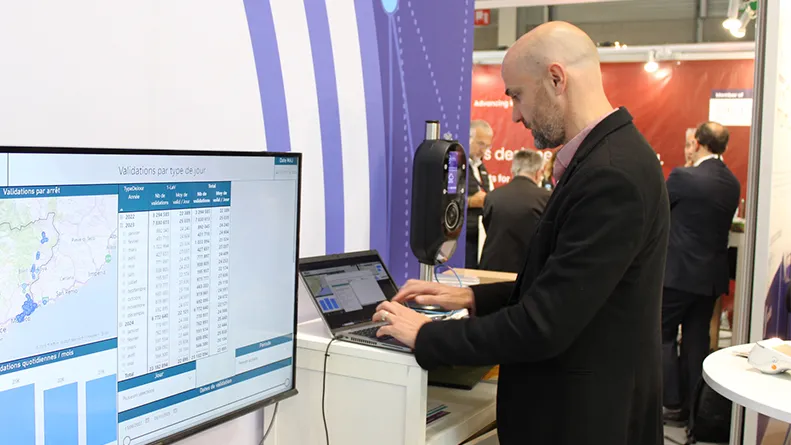
As part of the reform, operators need tools that can centralise sales information, consolidate revenue and produce the data required for submission.
The challenge therefore goes beyond compliance alone. Data quality and reliability are becoming essential to facilitate the monitoring of financial flows and meet the new requirements.
Anticipating regulatory changes
Regulations can evolve. The tools used by public transport networks must therefore be able to evolve with them.
This adaptability helps avoid having to reconsider existing processes or systems every time regulations change.
For operators, choosing tools capable of incorporating these changes is therefore an important part of preparing for the reform and, more broadly, for future regulatory developments.
Solutions tailored to e-reporting requirements
As part of its partnership with Urban System - CEI, OMEA ID integrates the Titan and Titan Mobile solutions into its ecosystem.
These solutions can centralise sales data, consolidate financial flows and generate the files required for the transmission of e-reporting data.
Urban System also develops the functionality of its solutions to keep pace with regulatory changes, with no additional costs associated with these developments for networks already using them.
This approach enables operators to rely on tools that meet their current operational needs while supporting upcoming regulatory changes.
A ticketing solution should not simply manage a network’s needs today. It should also be able to evolve with its environment.
Heading
Would you like to anticipate the impact of the reform on your network?
Contact us
FAQ: electronic invoicing and public transport networks
Yes. Sales made to passengers fall, in particular, within the e-reporting component of the reform. The corresponding data must be capable of being consolidated so that it can be submitted in accordance with the required procedures.
A network may record sales from several different channels. Consolidating these sales makes it possible to bring this information together and provide the data required for e-reporting.
The reform primarily requires networks to have tools capable of producing and transmitting the required information. Networks should therefore check whether their current solutions can incorporate these new requirements and evolve in line with the regulations.
The back office can help centralise data from different sales channels and consolidate revenue. This data can then be used to generate the information required for e-reporting.
Beyond the 2026 deadline, networks should prioritise solutions that can evolve in line with regulations. This adaptability limits the impact of future changes on existing tools and processes.